


The main materials used in lingerie and corsetry
17.04.2026
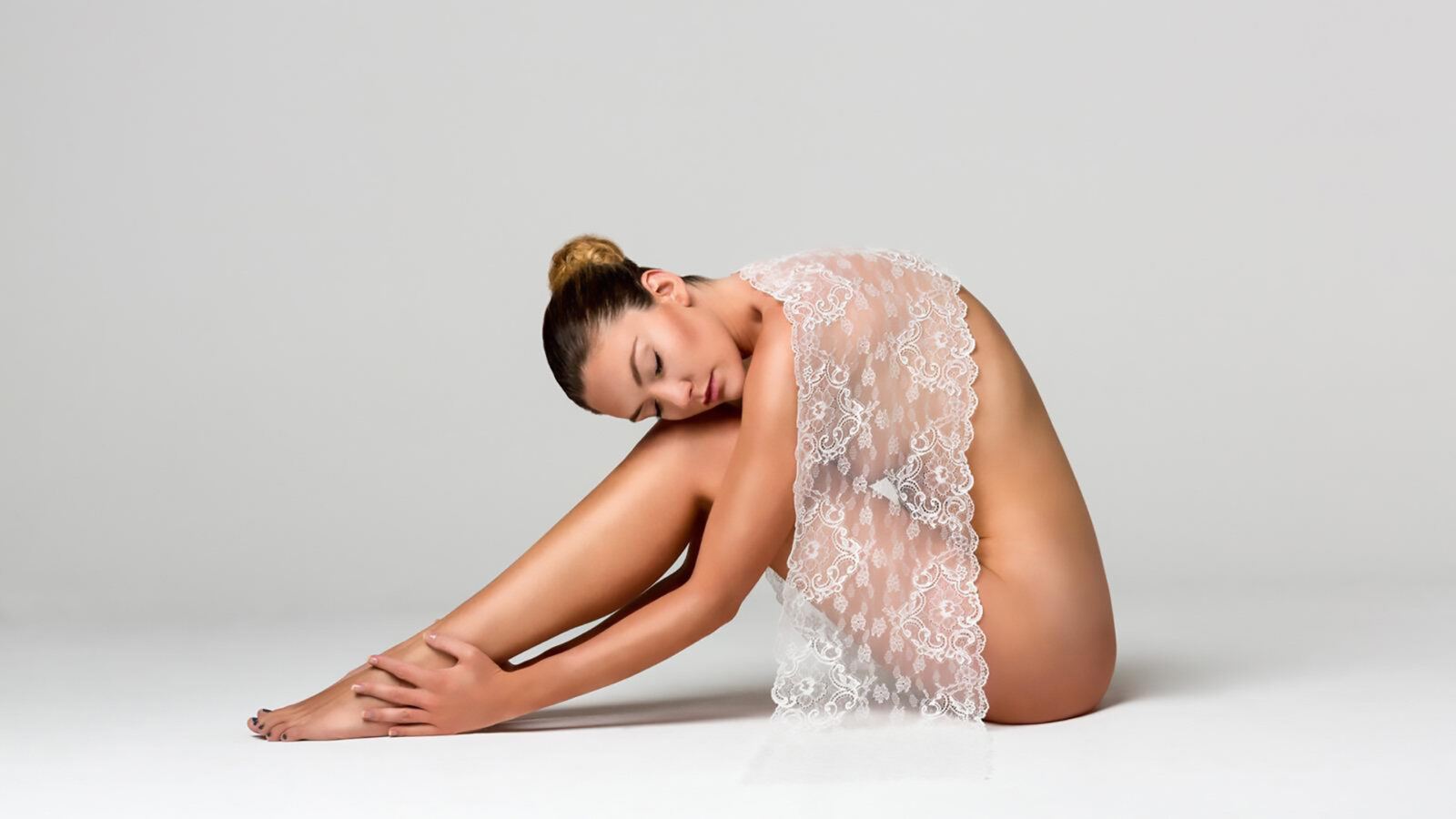
@Darquer
Materials: Balancing Comfort, Technicality, and Aesthetics
Lingerie and corsetry rely on a subtle balance between various materials, each selected for its specific properties.
The goal: to offer comfort, support, durability, and aesthetics all at once.
NATURAL FIBERS: SOFTNESS AND BREATHABILITY
Natural materials are prized for their comfort against the skin.
-
Cotton is an essential fiber: breathable, soft, and absorbent, it is ideal for daily wear.
-
Silk, used in various forms (crepe, voile, chiffon), is distinguished by its lightness, fluidity, and natural luster. It brings a sense of luxury and great finesse to lingerie pieces.
SYNTHETIC FIBERS: PERFORMANCE AND INNOVATION
Synthetic fibers play a vital role in modern lingerie thanks to their technical performance.
-
Polyamide, especially in microfiber, is recognized for its fineness, durability, and very soft hand-feel. It allows for the creation of “invisible” and comfortable pieces.
-
Polyester, used in satin or voile, offers a smooth and shiny appearance while being easy to care for.
-
Micro-modal, derived from processed natural fibers, combines softness, elasticity, and excellent breathability.
OPENWORK AND DECORATIVE MATERIALS: TRANSPARENCY AND SOPHISTICATION
These materials provide the aesthetic dimension of lingerie.
-
Lace (Leavers, Textronic, Raschel…) allows for a play on transparency, patterns, and texture.
-
Embroidery, particularly guipure, enriches pieces with raised or openwork designs.
-
Tulle, very light and transparent, often serves as a base for embroidery or to create “second-skin” effects.
-
Mesh brings a graphic and contemporary touch thanks to its openwork structure.
In a piece of lingerie, these materials are generally combined to blend their advantages: support, elasticity, lightness, and refinement.
Focus on Lace and Embroidery: Exceptional Craftsmanship
Beyond materials, lingerie and corsetry are distinguished by specific manufacturing techniques that create unique visual and tactile effects.
Watch the video to discover the exceptional craftsmanship of Dentelle de Calais-Caudry®.
The Main Types of Lace:
Leavers Lace:
A true benchmark of textile expertise, Leavers lace is produced on traditional looms dating back to the 19th century.
It is characterized by its extreme fineness, intricate patterns, and delicate relief. Highly sought after in luxury and high-end lingerie, it embodies excellence and refinement.

Textronic Lace
Recognizable by its raised patterns on a knitted background, Textronic lace offers a rich and structured visual appearance.
It serves as a more accessible alternative while maintaining a high level of sophistication.

Jacquardtronic Lace
Flatter than Textronic, it has a more fluid and discreet appearance.
Its flexibility and comfort make it an ideal choice for lightweight, form-fitting pieces.

Raschel Lace
Produced through a knitting process, Raschel lace is distinguished by its great versatility.
It can be elastic or non-stretch and adapts to various uses, from everyday lingerie to more elaborate designs.

Main Embroidery Techniques
Embroidery is a textile technique that consists of ornamenting a fabric by adding patterns using threads, sometimes enriched with beads or sequins. Whether handcrafted or machine-made, it adds a decorative dimension to textiles by playing with materials, textures, and contrasts. Depending on the base fabric and the threads used, it can be subtle and discreet or, conversely, highly expressive and structured.
Thanks to a wide variety of techniques, embroidery creates numerous visual and tactile effects: relief and volume to provide texture, transparency through openwork effects or on tulle, brilliance using specific threads or ornaments, finesse for delicate motifs. It is a true creative tool, capable of transforming a fabric’s appearance and enriching its overall feel.
In lingerie and corsetry, embroidery plays an essential role that is both aesthetic and technical. It sublimates pieces with refined patterns, creating effects of lightness and transparency while maintaining comfort and flexibility. It also adds value to the product by showcasing craftsmanship and high-end finishing.
Watch the video to discover the expertise of Broderie (@Broderies Leveaux).
Embroidery on Stretch Tulle
This technique relies on the contrast between a transparent, stretch base and raised embroidered motifs.
It creates pieces that are both visually striking and comfortable, perfectly contouring to the body’s curves.

Guipure Embroidery
Unique due to the absence of a textile backing, guipure creates openwork patterns connected to one another by threads.
The result is structured, graphic, and highly durable, ideal for statement pieces with a bold character.


